

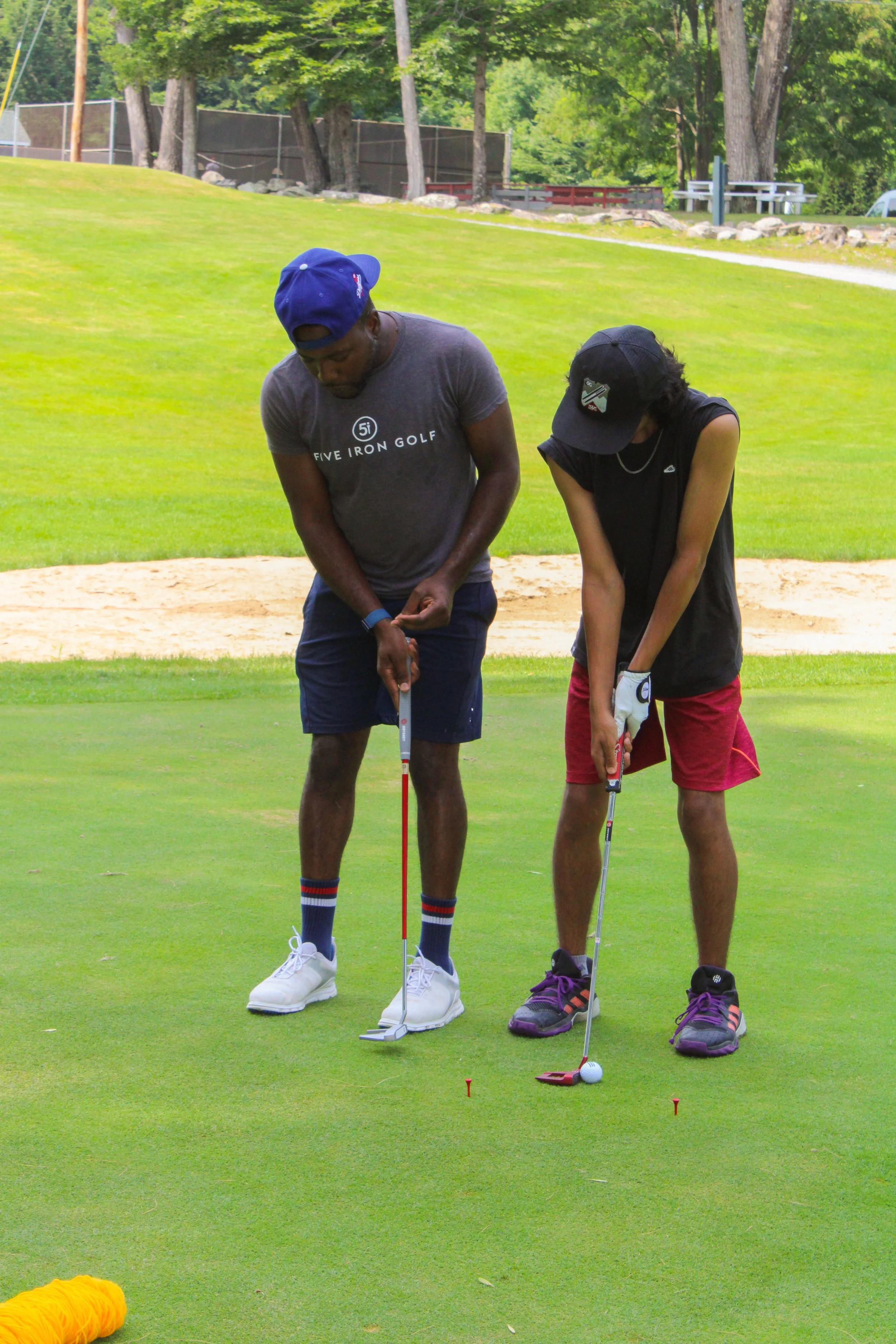
Golf is often seen as a game of leisure and precision, but it carries far more weight than that. For young players, the sport becomes a journey, one that teaches discipline, perseverance, and self-reliance in ways few other activities can. Starting early matters. The habits a junior golfer builds in their first summers on the course tend to follow them into school, into competitive play, and well into adulthood.
Here's how golf shapes young lives at each stage and why parents who want their child to develop more than just a swing should look closely at what a focused junior program offers.
Building Foundations in Youth
Junior golf programs are more than venues for learning how to hit a ball. They're incubators for life skills. In the formative years, children learn patience, focus, and etiquette through the structure of the game itself. An overnight junior golf camp in Maine takes this a step further by immersing players in an environment where those values get lived out morning to night, not just practiced for an hour and forgotten.
The individual nature of golf teaches young players personal responsibility in a way that team sports can't; there's no one else to blame for a missed shot. That fosters independence and self-reliance, qualities that translate directly into school, friendships, and later, work.
A camp environment also introduces something families often underestimate: a wider social circle. Children meet peers from different states, schools, and backgrounds, building friendships and broadening their sense of the world.
The Transition to Competitive Play
As skills sharpen, the move from learning swings to participating in real competition becomes a critical phase. This is where structured junior programs make the biggest difference — they provide a supportive but challenging environment where kids can test themselves without the high pressure of standalone tournaments.
Our level-based golf instruction at NEGTC is built around this progression. Junior players learn to handle pressure, manage expectations, and stay committed to improvement; lessons that apply to every part of life, not just the course.
Many young golfers find that the experience of camp competition lights a deeper fire for the game. That ambition often leads to the goal of collegiate play, which in turn shapes a more disciplined approach to practice, fitness, and goal-setting.
Golf, Academics, and Career
The discipline and focus that golf demands carry over directly into academic life. Junior golfers tend to bring the same patience and attention to studies that they bring to a difficult round, and often, their grades reflect it.
For families thinking longer-term, the path from junior golf to college golf carries real practical benefits. Collegiate programs offer scholarships, exposure, and a built-in network, and the connections players build on the course often shape professional opportunities later in life. Few youth sports offer that kind of compounding return.
Lifelong Benefits
The impact of golf doesn't stop at graduation. It continues into adulthood as a healthy outlet for stress, a way to maintain physical fitness, and a platform for both business and social networking. The habits formed in those early summer camp years — focus, patience, resilience, sportsmanship become permanent parts of how a young golfer moves through the world.
For parents thinking about how to make a summer count, a junior golf camp can be the catalyst that unlocks more than just a better game. The right environment helps children grow into thoughtful, capable, ambitious adults and gives them a sport they can carry for life.
If you'd like to see what a focused summer at NEGTC could look like for your golfer, request our program guide.