

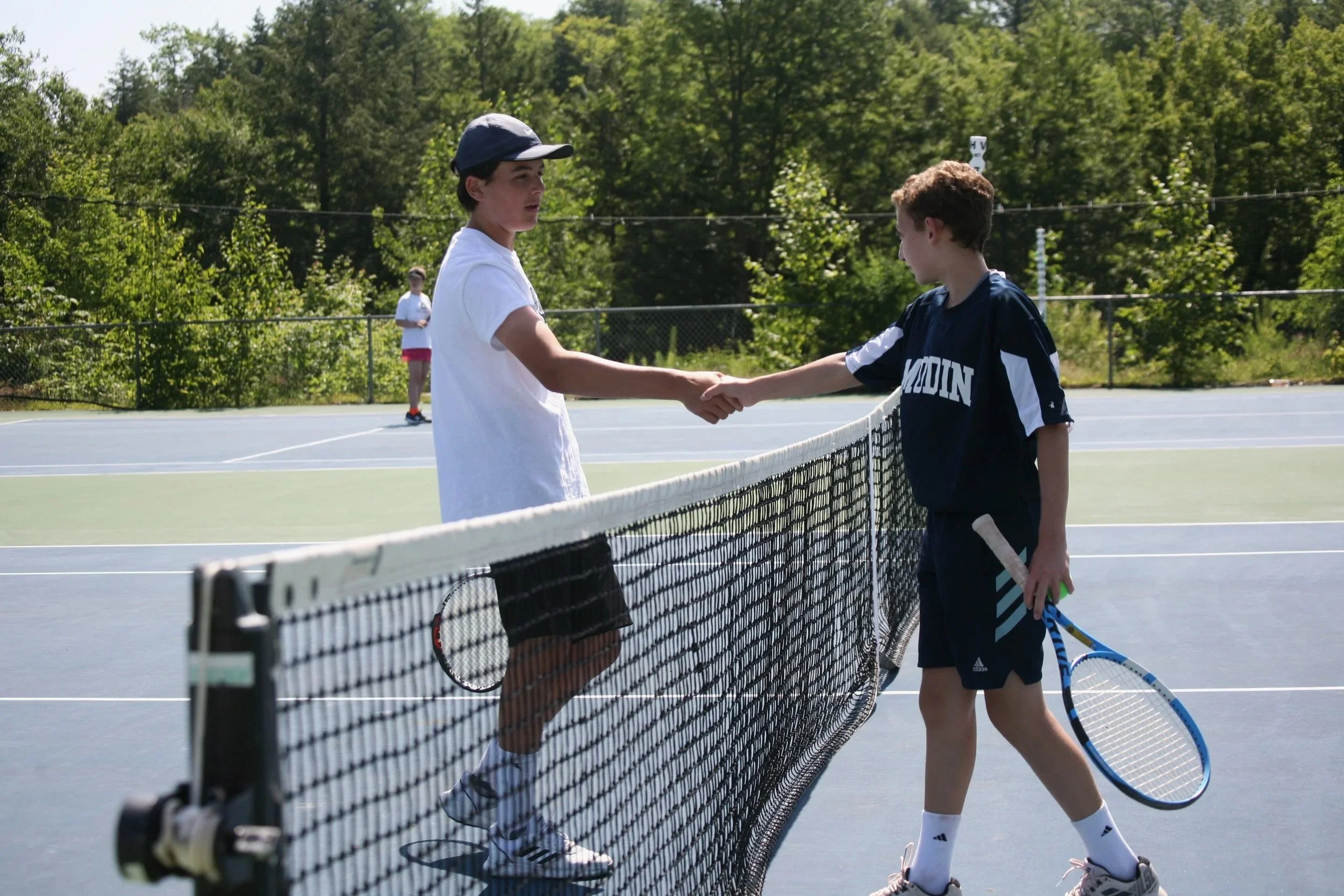
Tennis, like life, is a game of highs and lows. Whether your child is a budding amateur or a serious competitor with collegiate ambitions, setbacks and defeats are an inevitable part of the journey. How a junior player responds to those losses is what ultimately shapes their path forward. In this article, we'll cover strategies for managing defeat, the importance of building resilience early, and how the right environment, like our overnight tennis camp in Maine, can be a real turning point in developing a young athlete's mental toughness alongside their technical skill.
Defeat Is a Learning Opportunity, Not a Verdict
Defeat in tennis isn't just about losing a match. It's a critical learning moment. Every match, regardless of its outcome, teaches a junior player something about their game, their mental strength, and their capacity to adapt. The most successful players, including those who go on to collegiate tennis, learn early that setbacks are stepping stones to greater achievements, not verdicts on their potential.
Building Resilience: The Psychological Armor
Resilience is the psychological armor against defeat. Developing a resilient mindset means understanding that setbacks aren't reflections of a player's worth, but opportunities for growth. Mental conditioning matters just as much as physical training, and the best junior programs treat both with equal seriousness. Overnight tennis camps offer an effective environment for this work, combining rigorous training with the kind of psychological resilience-building that's hard to find anywhere else.
The Role of a Tennis Camp Environment
A junior tennis camp is about more than learning forehands and backhands. It's about building character, resilience, and a real love for the game. The right overnight camp provides an immersive experience that goes well beyond the court, focusing on developing young athletes in every dimension: technical skill, mental fortitude, and the habits that prepare them for collegiate tennis and life beyond it.
What Junior Players Can Learn from College Athletes
Collegiate tennis is a milestone many young athletes aim for, offering not just a platform for high-level competition but also a model for personal growth. Drawing inspiration from collegiate athletes, who balance demanding academics with intense training and tournament play, can motivate junior players to approach their own setbacks with a more mature perspective.
Turning Defeat Into a Training Lesson
Integrating lessons from losses into ongoing training is one of the highest-impact things a junior player can learn. After a setback, revisiting the game plan, analyzing performance, and identifying specific areas for improvement turns a loss into something genuinely valuable. The coaches at our level-based tennis instructional program at NEGTC emphasize exactly this kind of analytical reflection, helping players grow from every match, not just the wins.
The Importance of a Supportive Environment
The journey through competitive tennis is rarely a solo endeavor. A supportive environment (whether from family, coaches, or peers) plays a pivotal role in helping a junior player bounce back from setbacks. The community at overnight tennis camp offers something especially powerful: a group of peers who understand and share the same challenges, building a network that reinforces resilience instead of magnifying disappointment.
Long-Term Benefits of Early Resilience Training
Early exposure to resilience training, through structured programs at junior tennis camps, lays the foundation for a strong mental game. This kind of training pays off not just in collegiate tennis careers, but in life well beyond the sport. The skills a junior player learns from dealing with defeat (persistence, adaptability, optimism) are universally applicable and quietly invaluable.
Setbacks in tennis, as in life, are inevitable. With the right mindset, a supportive environment, and a genuine commitment to learning and growth, those challenges become opportunities. Junior tennis camp programs, especially overnight ones, play a meaningful role in that developmental journey. By focusing on both the technical and psychological sides of the game, they prepare young athletes for collegiate tennis and for the broader challenges life will throw at them.
Every great player has faced their share of setbacks. What sets them apart isn't invincibility. It's resilience.
If you'd like to see how a focused summer at NEGTC could help your junior player build that kind of mindset, request our program guide.