

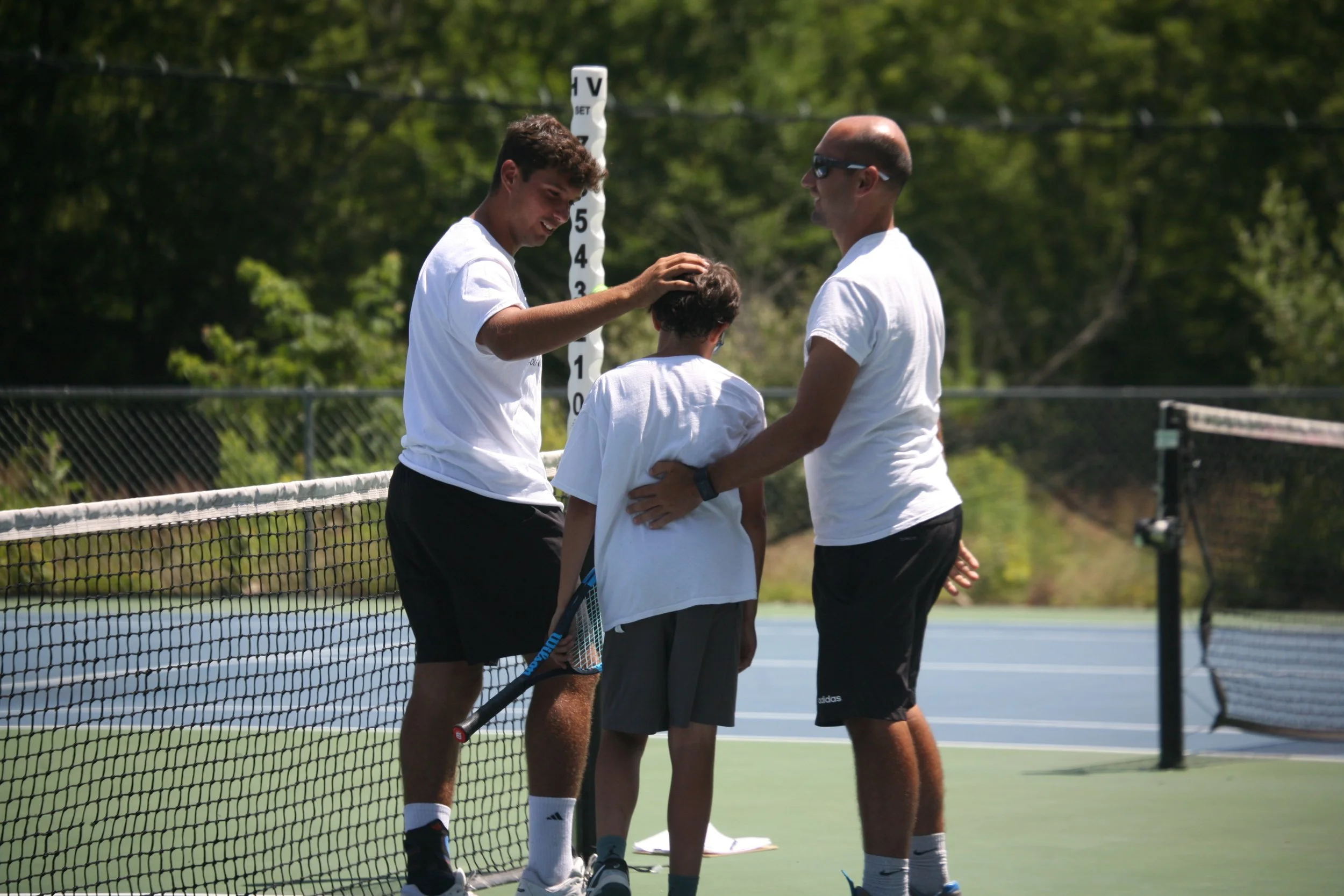
In the world of competitive sports, the emphasis often leans heavily toward constant practice, relentless training, and chasing perfection on the court. But for junior tennis players, especially those aspiring to play at the collegiate level, there's another essential part of the journey that gets far less attention: recovery and rest. This balance isn't just crucial for physical and mental well-being. It's the foundation on which real, long-term skill is built. Our overnight tennis camp in Maine is built around this idea: that great tennis players are shaped not just on the court, but in how they manage everything around it.
The Role of Recovery in Tennis
Recovery isn't a small component of training. It's a fundamental one. For junior players, especially those attending intensive tennis camps, the excitement of learning new techniques, engaging in competitive play, and bonding with peers can sometimes overshadow the need for proper rest. But recovery protocols are essential for preventing injuries, reducing fatigue, and helping athletes perform at their best consistently. Proper hydration, balanced nutrition, quality sleep, and active recovery days aren't just recommendations. They're necessities for any serious junior tennis player.
Why Mental Rest Matters as Much as Physical
The physical side of recovery gets most of the attention, but mental rest is just as important. An overnight tennis camp offers more than training. It creates a structured environment where junior athletes learn to balance high-effort play with genuine downtime. Mental fatigue can be every bit as debilitating as physical exhaustion. Mindfulness, meditation, or even cross-training in different sports (like golf at a camp that offers both) can significantly improve a player's mental recovery, helping them return to the court refreshed and focused.
Beyond the Court: Lessons for Life
The principles of recovery and rest extend well past the tennis court. They're life lessons that follow young athletes everywhere. Learning to listen to your body, recognize the signs of fatigue, and know when to step back are skills that pay off in school, in work, and in adulthood. A camp environment that balances training with rest lays a strong foundation for junior players to build on. It teaches them not just to be better tennis players, but to be mindful athletes who understand that balance is part of excellence.
How NEGTC Builds Recovery Into the Program
For parents seeking a summer experience that develops more than just tennis skills, NEGTC offers an environment where junior players develop their whole game. Through our level-based tennis instruction, training is paired with structured downtime, recovery education, and access to other activities that give players the mental space they need between intense sessions. The result: campers leave not just as better players, but as more mindful athletes who understand what their bodies and minds actually need to keep improving.
The path to becoming a strong junior tennis player, with aspirations of college tennis or beyond, takes more than dedication and skill. It requires a real focus on recovery and rest. The players who learn to balance both early are usually the ones still progressing years later, long after their peers have plateaued or burned out.
If you'd like to see how NEGTC's program balances training with the kind of habits that build longevity in the sport, request our program guide.